

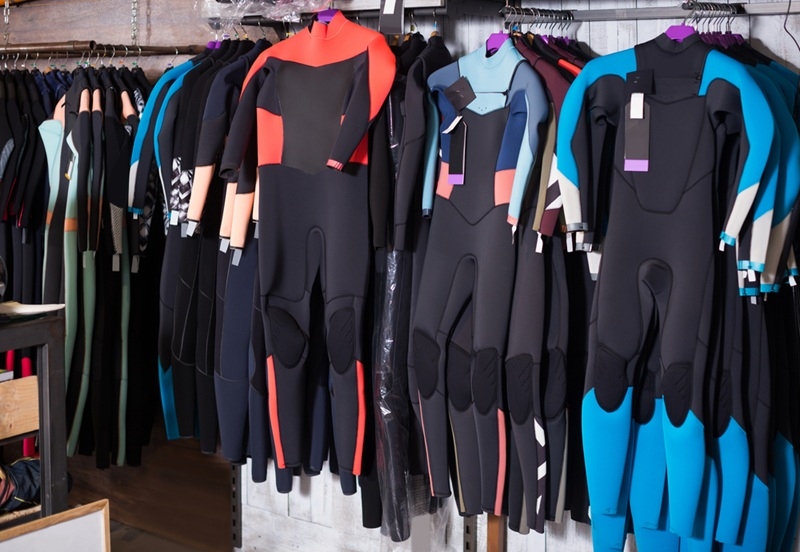
Wetsuit vs drysuit is a decision every diver faces at some point. It is not just about preference. It directly affects warmth, comfort, and how long someone can stay underwater without feeling drained. The difference between these two suits becomes clear the moment a diver enters colder water.
This blog will explain to you the differences between wetsuit vs drysuit and help you find the benefits of cold water diving gear.
Must Read: Top Diving Safety Gear You Need in the USA (2025 Guide)
Water does not forgive poor preparation. It pulls heat from the body quickly, even when the air above feels warm. That is why understanding wetsuit vs drysuit is not just helpful. It is necessary.
A wetsuit works by letting a small amount of water enter. That water stays between the suit and the skin. The body warms it, and the neoprene slows down further heat loss. It is a simple system. It works well in the right conditions.
A drysuit, on the other hand, keeps the diver fully dry. It seals tightly at the neck and wrists. Air and thermal layers inside the suit provide insulation. No water touches the body. This difference changes everything in cold environments.
You can check the list below to understand the benefits of cold water diving gear:
Using the right cold-water diving equipment establishes a protective environment that reduces heat loss. Your body is not constantly struggling against the cold surrounding water, and this consistency is a huge factor in longer dives. When your body is consistent, breathing is consistent, and you can focus on buoyancy, navigation, and hand signals without distraction. Small things become simpler, and the dive becomes managed rather than hurried.
Muscles in cold water become stiff, reducing flexibility and requiring more work from you while swimming. This additional work will exhaust your energy reserves faster than you think. With the right cold-water diving equipment keeping you warmer, your body remains more relaxed, and swimming becomes smoother, with less effort needed for fin strokes, and even simple tasks such as gear adjustments become simpler.
Cold discomfort distracts you, often causing you to think about completing the dive rather than what you are seeing around you. This can reduce situational awareness. The right cold-water diving equipment eliminates this distraction, allowing you to focus on depth, direction, and the marine life around you without constantly fighting the cold in your head.
You must consider checking the factors explained below for the exposure protection guide about diving suits:
Water temperature can change throughout the year. A location that feels warm in one season may feel much colder in another. Surface warmth does not always reflect deeper conditions.
An exposure protection guide reminds divers to check actual water temperatures at planned depths. Even a few degrees of difference can change the level of protection required.
Short dives require less insulation than long ones. The body loses heat gradually, and extended exposure increases that effect. Even moderate water can feel cold after enough time.
Following an exposure protection guide ensures divers match their suit to the expected dive length. It also considers activity level. Active swimming generates heat. Slow exploration does not.
Not everyone reacts the same way to cold water. Some divers feel comfortable longer, while others become chilled quickly. Ignoring personal tolerance can lead to discomfort.
A well-used exposure protection guide includes personal experience. Choosing slightly warmer protection often prevents regret during the dive. It is better to feel slightly warm than unexpectedly cold at depth.
Top Pick: Find the Best Scuba Regulator for a Smooth Dive Experience
You can refer to the list below to understand how the neoprene thickness chart works:
Neoprene thickness is measured in millimeters. The lighter wetsuits and sportier designs provide greater flexibility but less insulation. The thicker wetsuits retain more warmth because they hold more air, so they hold in more warmth. There is a neoprene thickness chart that correlates the thickness to the appropriate temperature ranges. Divers can quickly determine what might be suitable for their intended dive conditions.
The thicker the neoprene, the better the insulation, but it will also be slightly heavier. The thinner neoprene provides easier flexibility and more natural movement. It is always a matter of finding the right balance. With the aid of a neoprene thickness chart, divers can balance the need for insulation and comfort, seeking to remain warm without feeling claustrophobic in the water.
Different dives require different amounts of insulation. In shallow and calm dives in warm waters, less thickness is required, but in deeper or longer dives, greater insulation may be required. A neoprene thickness chart helps align the wetsuit with the dive plan, eliminating guesswork and increasing confidence before entering the water.
The following list will help you with a detailed diving suit comparison of wetsuit vs drysuit:
In this diving suit comparison, the first difference is water contact. A wetsuit allows a thin layer of water inside. That layer warms up and provides insulation. A drysuit blocks water completely. The diver remains dry, and insulation comes from air and inner layers. The feeling underwater is noticeably different.
When evaluating wetsuit vs drysuit for colder dives, insulation strength becomes clear. Wetsuits perform well in moderate temperatures but may lose effectiveness during long and cold exposure. Drysuits offer stronger protection because the body stays dry. Air inside the suit acts as an additional barrier. For colder environments, that extra protection matters.
Wetsuits fit close to the body. Many divers prefer this snug feeling because it allows smooth swimming and natural motion. Drysuits may feel slightly looser due to internal air space. However, they provide warmth that wetsuits cannot always match. Comfort depends on conditions and preference.
Wetsuit vs drysuit decisions should be based on water temperature, dive duration, and personal comfort. Both options serve clear purposes. Divers can select the right gear and make confident dives by understanding the protection needs and comparing suit performance.
A wetsuit allows a thin layer of water inside for insulation, while a drysuit keeps the diver completely dry using sealed openings.
A drysuit usually provides stronger insulation and longer-lasting warmth compared to a wetsuit for colder conditions.
Thicker neoprene traps more air and provides more insulation, while thinner neoprene allows better flexibility but less warmth.
This content was created by AI